Visibility & Streetscape Upgrade Along Fricker and Melville Roads
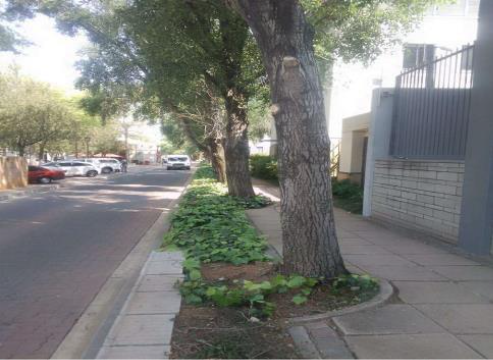
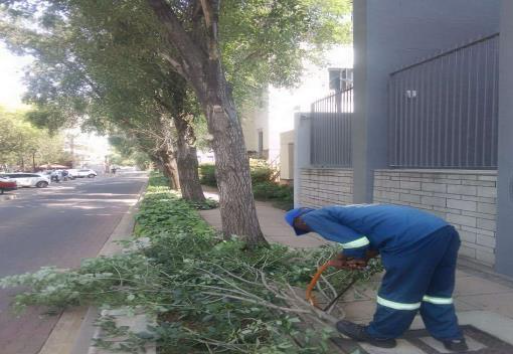
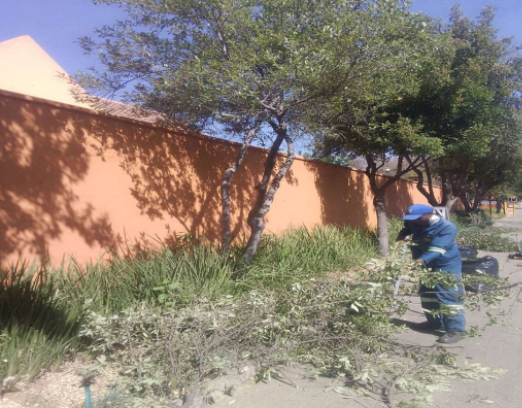
Illovo Boulevard Management District, managed by Excellerate, recently completed a full tree-trimming and visibility-enhancement exercise along the Fricker–Melville Road corridor. The intervention focused on clearing overgrown branches, opening pedestrian walkways, improving natural lighting, and restoring critical sightlines for both motorists and sidewalk users. The work was undertaken following a formal service request logged with Johannesburg City Parks and Zoo, ensuring that all trimming activities aligned with municipal bylaws and the responsible management of the urban tree canopy. This indicates that the precinct continues to prioritize safe, accessible, and well-maintained public environments through coordinated governance and asset stewardship.
The before-and-after impact is evident through cleaner walkways, safer intersections, and a streetscape that now feels more open and welcoming. Furthermore, this improvement forms part of Illovo Boulevard’s ongoing commitment, under Excellerate’s management, to maintaining high-quality public spaces that enhance safety, support pedestrian mobility, and strengthen the overall experience of workers, visitors, and residents across the precinct.
Why This Work Matters for All Precincts
Clear sightlines are not cosmetic enhancements; they are a foundational component of urban safety infrastructure. When overgrown vegetation is trimmed, pedestrian routes are reopened, and natural lighting improves, a precinct becomes easier to navigate, less vulnerable to opportunistic crime, and more welcoming for employees, residents, and visitors. This indicates that environmental design interventions directly shape how people experience and move through the public realm.
As the managing agent, Excellerate recognizes these improvements as essential elements of proactive urban management. They protect long-term precinct value, reduce environmental and safety risks, and demonstrate consistent stewardship of shared public spaces. Precincts perform most effectively when their environments are actively monitored, well maintained, and restored in a timely manner, reinforcing trust in the precinct model and the collective investment it represents.